Tomato Juice
Unsweetened tomato juice supplies lycopene and potassium; salted versions can be high in sodium.

Nutrition per 100 g
Standardised to 100 g of tomato juice for fair comparison. Typical serving: 200 g juice — 34 kcal per 200 g serving.
| Nutrient | Per 100 g | Per serving (200 g) | Per 100 kcal |
|---|---|---|---|
| Energy | 17 kcal | 34 kcal | 100 kcal |
| Protein | 0.9 g | 1.7 g | 5 g |
| Carbohydrate | 3.6 g | 7.1 g | 20.9 g |
| Fat | 0.3 g | 0.6 g | 1.8 g |
| Fibre | 0.4 g | 0.8 g | 2.4 g |
Figures are typical values and vary with variety, preparation and brand.
Micronutrients
Vitamins and minerals per 100 g of tomato juice, with a typical serving and FDA Daily Value for adults.
| Nutrient | Per 100 g | Per serving (200 g) | % DV |
|---|---|---|---|
| Vitamins | |||
| Vitamin A | 23 µg | 46 µg | 3% |
| Vitamin C | 70.1 mg | 140 mg | 78% |
| Vitamin D | 0 µg | 0 µg | 0% |
| Vitamin E | 0.32 mg | 0.64 mg | 2% |
| Vitamin K | 2.3 µg | 4.6 µg | 2% |
| Thiamin | 0.1 mg | 0.2 mg | 8% |
| Riboflavin | 0.078 mg | 0.16 mg | 6% |
| Niacin | 0.67 mg | 1.3 mg | 4% |
| Vitamin B6 | 0.07 mg | 0.14 mg | 4% |
| Folate | 20 µg | 40 µg | 5% |
| Vitamin B12 | 0 µg | 0 µg | 0% |
| Choline | 6.8 mg | 13.6 mg | 1% |
| Minerals | |||
| Calcium | 10 mg | 20 mg | <1% |
| Iron | 0.39 mg | 0.78 mg | 2% |
| Magnesium | 11 mg | 22 mg | 3% |
| Phosphorus | 19 mg | 38 mg | 2% |
| Potassium | 217 mg | 434 mg | 5% |
| Sodium | 10 mg | 20 mg | <1% |
| Zinc | 0.11 mg | 0.22 mg | 1% |
| Selenium | 0.5 µg | 1 µg | <1% |
| Copper | 0.042 mg | 0.084 mg | 5% |
| Manganese | 0.068 mg | 0.14 mg | 3% |
Source: USDA FoodData Central — Tomato juice, canned, without salt added
% DV uses FDA Daily Values for adults. Nutrients that USDA does not report for this entry are omitted. Values vary with variety, preparation and brand.
Why eat tomato juice?
- Micronutrients for relatively few calories when portions stay reasonable.
- Unsweetened tomato juice supplies lycopene and potassium; salted versions can be high in sodium.
How to include it
- Cook simply with olive oil and an acid, or eat raw where appropriate.
- Typical pairing ideas: Lemon, Black pepper, Celery.
Things to consider
- Easy to over-consume relative to hunger; treat as an occasional or measured item.
Educational content. This article is for general information and is not medical advice. Speak to a qualified health professional about your individual circumstances.
Related foods
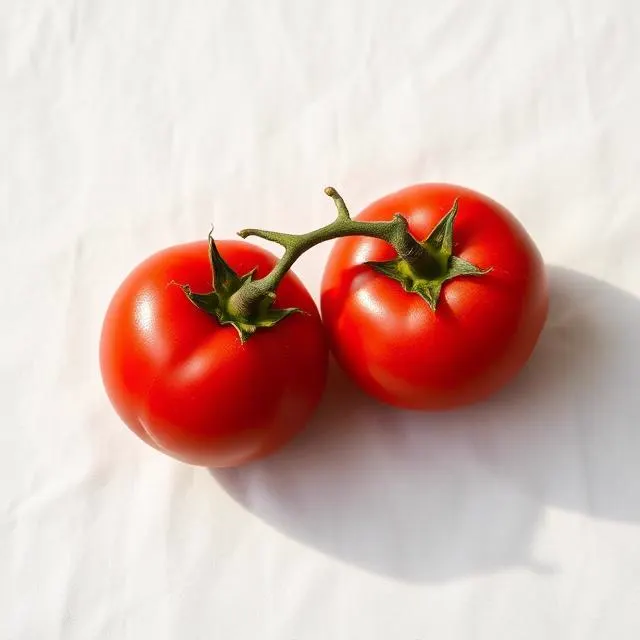
Tomato
The main dietary source of lycopene, which becomes more available when cooked with oil.
- kcal
- 18
- protein
- 0.9 g
- fibre
- 1.2 g
per 100 g · Typical serving: 1 medium tomato (123 g)

Canned Tomatoes
Tinned tomatoes: the cheapest reliable base for sauces, stews and soups.
- kcal
- 18
- protein
- 0.9 g
- fibre
- 1 g
per 100 g · Typical serving: 200 g

Orange Juice
Unsweetened orange juice: vitamin C is high, but fibre is lost when the fruit is pressed.
- kcal
- 45
- protein
- 0.7 g
- fibre
- 0.2 g
per 100 g · Typical serving: 200 g juice
Get smarter about food and fitness.
Practical nutrition and wellness information, delivered without the hype.