Pasta Sauce
Pasta Sauce is an everyday vegetable or savoury staple used in home cooking worldwide.

Nutrition per 100 g
Standardised to 100 g of pasta sauce for fair comparison. Typical serving: 15 g (1 tbsp) — 50 kcal per 15 g serving.
| Nutrient | Per 100 g | Per serving (15 g) | Per 100 kcal |
|---|---|---|---|
| Energy | 333 kcal | 50 kcal | 100 kcal |
| Protein | 9.3 g | 1.4 g | 2.8 g |
| Carbohydrate | 49.3 g | 7.4 g | 14.8 g |
| Fat | 10.7 g | 1.6 g | 3.2 g |
| Fibre | 12 g | 1.8 g | 3.6 g |
Figures are typical values and vary with variety, preparation and brand.
Micronutrients
Vitamins and minerals per 100 g of pasta sauce, with a typical serving and FDA Daily Value for adults.
| Nutrient | Per 100 g | Per serving (15 g) | % DV |
|---|---|---|---|
| Vitamins | |||
| Vitamin A | 31 µg | 4.7 µg | 3% |
| Vitamin C | 2 mg | 0.3 mg | 2% |
| Vitamin D | 0 µg | 0 µg | 0% |
| Vitamin E | 2.4 mg | 0.36 mg | 16% |
| Vitamin K | 13.9 µg | 2.1 µg | 12% |
| Thiamin | 0.024 mg | 0.004 mg | 2% |
| Riboflavin | 0.061 mg | 0.009 mg | 5% |
| Niacin | 3.9 mg | 0.59 mg | 24% |
| Vitamin B6 | 0.17 mg | 0.026 mg | 10% |
| Folate | 13 µg | 2 µg | 3% |
| Vitamin B12 | 0 µg | 0 µg | 0% |
| Pantothenic acid | 0.076 mg | 0.011 mg | 2% |
| Choline | 13.7 mg | 2.1 mg | 2% |
| Minerals | |||
| Calcium | 26 mg | 3.9 mg | 2% |
| Iron | 0.73 mg | 0.11 mg | 4% |
| Magnesium | 18 mg | 2.7 mg | 4% |
| Phosphorus | 34 mg | 5.1 mg | 3% |
| Potassium | 320 mg | 48 mg | 7% |
| Sodium | 437 mg | 65.6 mg | 19% |
| Zinc | 0.2 mg | 0.03 mg | 2% |
| Selenium | 1.4 µg | 0.21 µg | 3% |
| Copper | 0.082 mg | 0.012 mg | 9% |
| Manganese | 0.13 mg | 0.02 mg | 6% |
Source: USDA FoodData Central — Sauce, pasta, spaghetti/marinara, ready-to-serve
% DV uses FDA Daily Values for adults. Nutrients that USDA does not report for this entry are omitted. Values vary with variety, preparation and brand.
Why eat pasta sauce?
- Micronutrients for relatively few calories when portions stay reasonable.
- Pasta Sauce is an everyday vegetable or savoury staple used in home cooking worldwide.
How to include it
- Cook simply with olive oil and an acid, or eat raw where appropriate.
- Typical pairing ideas: Olive oil, Garlic, Lemon.
Things to consider
- Preparation and added fat, salt or sugar change the numbers more than the raw food does.
Educational content. This article is for general information and is not medical advice. Speak to a qualified health professional about your individual circumstances.
Related foods

Onion, raw
The flavour base of most cuisines, with quercetin and prebiotic fructans.
- kcal
- 40
- protein
- 1.1 g
- fibre
- 1.7 g
per 100 g · Typical serving: 1 medium onion, raw (110 g)
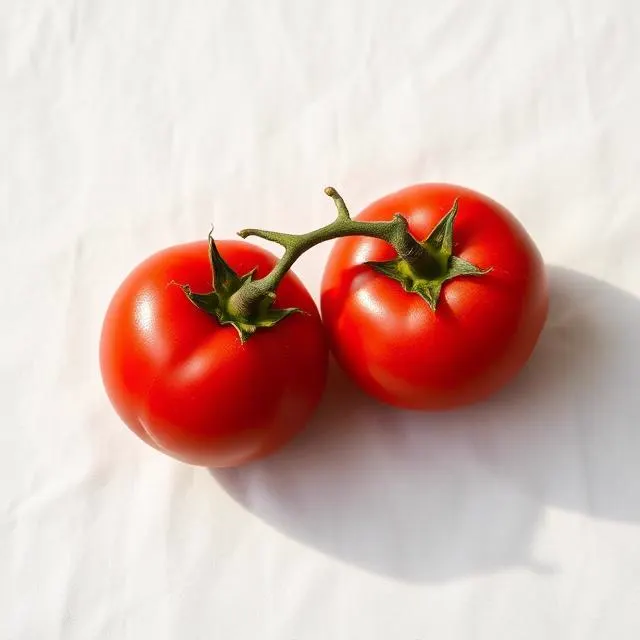
Tomato
The main dietary source of lycopene, which becomes more available when cooked with oil.
- kcal
- 18
- protein
- 0.9 g
- fibre
- 1.2 g
per 100 g · Typical serving: 1 medium tomato (123 g)

Potato, boiled
A starchy staple that supplies potassium and vitamin C for modest calories.
- kcal
- 87
- protein
- 1.9 g
- fibre
- 2 g
per 100 g · Typical serving: 1 medium boiled (150 g)
Get smarter about food and fitness.
Practical nutrition and wellness information, delivered without the hype.