Mozzarella
One of the lower-salt, lower-fat cheeses, with good protein per portion.

Nutrition per 100 g
Standardised to 100 g of mozzarella for fair comparison. Typical serving: 30 g part skim — 72 kcal per 30 g serving.
| Nutrient | Per 100 g | Per serving (30 g) | Per 100 kcal |
|---|---|---|---|
| Energy | 240 kcal | 72 kcal | 100 kcal |
| Protein | 23 g | 6.9 g | 9.6 g |
| Carbohydrate | 3 g | 0.9 g | 1.3 g |
| Fat | 15 g | 4.5 g | 6.3 g |
| Fibre | 0 g | 0 g | 0 g |
Figures are typical values and vary with variety, preparation and brand.
Micronutrients
Vitamins and minerals per 100 g of mozzarella, with a typical serving and FDA Daily Value for adults.
| Nutrient | Per 100 g | Per serving (30 g) | % DV |
|---|---|---|---|
| Vitamins | |||
| Vitamin A | 437 µg | 131 µg | 49% |
| Vitamin C | 0.1 mg | 0.03 mg | <1% |
| Vitamin D | 0 µg | 0 µg | 0% |
| Vitamin E | 0.11 mg | 0.033 mg | <1% |
| Vitamin K | 1 µg | 0.3 µg | <1% |
| Thiamin | 0.026 mg | 0.008 mg | 2% |
| Riboflavin | 0.44 mg | 0.13 mg | 34% |
| Niacin | 0.32 mg | 0.096 mg | 2% |
| Vitamin B6 | 0.051 mg | 0.015 mg | 3% |
| Folate | 11 µg | 3.3 µg | 3% |
| Vitamin B12 | 0.81 µg | 0.24 µg | 34% |
| Pantothenic acid | 0.083 mg | 0.025 mg | 2% |
| Choline | 13.7 mg | 4.1 mg | 2% |
| Minerals | |||
| Calcium | 610 mg | 183 mg | 47% |
| Iron | 0.4 mg | 0.12 mg | 2% |
| Magnesium | 41 mg | 12.3 mg | 10% |
| Phosphorus | 583 mg | 175 mg | 47% |
| Potassium | 455 mg | 137 mg | 10% |
| Sodium | 685 mg | 206 mg | 30% |
| Zinc | 1.9 mg | 0.57 mg | 17% |
| Selenium | 19.2 µg | 5.8 µg | 35% |
| Copper | 0.11 mg | 0.033 mg | 12% |
| Manganese | 0.028 mg | 0.008 mg | 1% |
Source: USDA FoodData Central — Cheese substitute, mozzarella
% DV uses FDA Daily Values for adults. Nutrients that USDA does not report for this entry are omitted. Values vary with variety, preparation and brand.
Why eat mozzarella?
- Mild and lower in sodium than most cheeses.
- Nearly 7 g protein per 30 g.
- Melts well, so a modest amount covers a whole dish.
How to include it
- Tear over tomatoes with basil and olive oil.
- Melt sparingly over baked aubergine.
- Grate the firm block version over homemade pizza.
Things to consider
- Fresh mozzarella in water is more watery and lower in protein per gram.
- Avoid unpasteurised versions in pregnancy.
Educational content. This article is for general information and is not medical advice. Speak to a qualified health professional about your individual circumstances.
Related foods

Feta
A brined sheep's-milk cheese with big flavour for relatively few calories.
- kcal
- 250
- protein
- 13.3 g
- fibre
- 0 g
per 100 g · Typical serving: 30 g
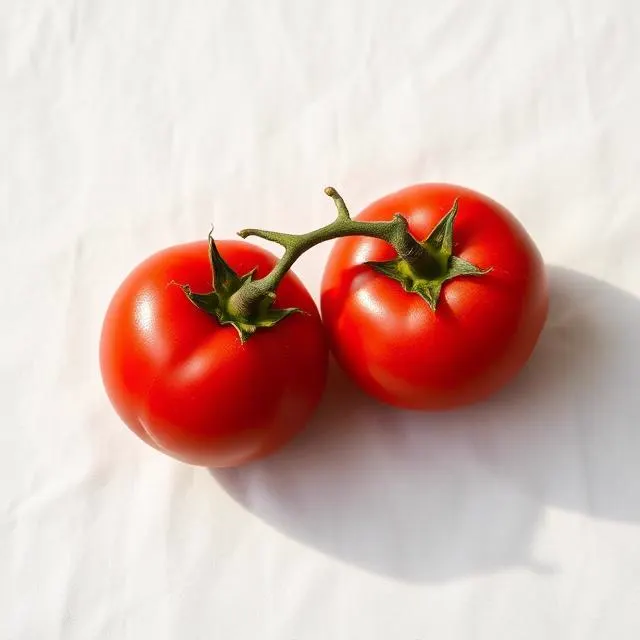
Tomato
The main dietary source of lycopene, which becomes more available when cooked with oil.
- kcal
- 18
- protein
- 0.9 g
- fibre
- 1.2 g
per 100 g · Typical serving: 1 medium tomato (123 g)

Parmesan
An aged, umami-heavy cheese with the highest protein and calcium density of the common cheeses.
- kcal
- 420
- protein
- 38 g
- fibre
- 0 g
per 100 g · Typical serving: 20 g
Get smarter about food and fitness.
Practical nutrition and wellness information, delivered without the hype.