Aubergine
A meaty vegetable with fibre and skin polyphenols — the trick is not drowning it in oil.

Nutrition per 100 g
Standardised to 100 g of aubergine, cooked for fair comparison. Typical serving: 1 cup cooked, cubed (99 g) — 35 kcal per 99 g serving.
| Nutrient | Per 100 g | Per serving (99 g) | Per 100 kcal |
|---|---|---|---|
| Energy | 35 kcal | 35 kcal | 100 kcal |
| Protein | 0.8 g | 0.8 g | 2.3 g |
| Carbohydrate | 8.7 g | 8.6 g | 24.6 g |
| Fat | 0.2 g | 0.2 g | 0.6 g |
| Fibre | 2.5 g | 2.5 g | 7.1 g |
Figures are typical values and vary with variety, preparation and brand.
Micronutrients
Vitamins and minerals per 100 g of aubergine, with a typical serving and FDA Daily Value for adults.
| Nutrient | Per 100 g | Per serving (99 g) | % DV |
|---|---|---|---|
| Vitamins | |||
| Vitamin A | 227 µg | 225 µg | 25% |
| Vitamin C | 37 mg | 36.6 mg | 41% |
| Vitamin D | 0 µg | 0 µg | 0% |
| Vitamin E | 2.5 mg | 2.5 mg | 17% |
| Vitamin K | 256 µg | 253 µg | 213% |
| Thiamin | 0.17 mg | 0.17 mg | 14% |
| Riboflavin | 0.14 mg | 0.14 mg | 11% |
| Niacin | 2 mg | 2 mg | 13% |
| Vitamin B6 | 0.22 mg | 0.22 mg | 13% |
| Folate | 71 µg | 70.3 µg | 18% |
| Vitamin B12 | 0 µg | 0 µg | 0% |
| Pantothenic acid | 0.45 mg | 0.45 mg | 9% |
| Choline | 33.6 mg | 33.3 mg | 6% |
| Minerals | |||
| Calcium | 118 mg | 117 mg | 9% |
| Iron | 1.3 mg | 1.3 mg | 7% |
| Magnesium | 27 mg | 26.7 mg | 6% |
| Phosphorus | 82 mg | 81.2 mg | 7% |
| Potassium | 343 mg | 340 mg | 7% |
| Sodium | 56 mg | 55.4 mg | 2% |
| Zinc | 0.54 mg | 0.53 mg | 5% |
| Selenium | 1.3 µg | 1.3 µg | 2% |
| Copper | 0.075 mg | 0.074 mg | 8% |
| Manganese | 0.38 mg | 0.38 mg | 17% |
Source: USDA FoodData Central — Broccoli raab, cooked
% DV uses FDA Daily Values for adults. Nutrients that USDA does not report for this entry are omitted. Values vary with variety, preparation and brand.
Why eat aubergine?
- Substantial texture that makes vegetarian dishes satisfying.
- Nasunin in the skin is a well-studied anthocyanin.
- Absorbs the flavours it is cooked with.
How to include it
- Roast halves until collapsed and blend with tahini for baba ganoush.
- Griddle slices and layer with tomato and mozzarella.
- Cube and stew with chickpeas and cumin.
Things to consider
- Soaks up oil dramatically — roast or griddle rather than shallow-fry.
- Bitter when old; choose firm, glossy fruit.
Educational content. This article is for general information and is not medical advice. Speak to a qualified health professional about your individual circumstances.
Related foods

Tahini
Ground sesame paste with notable calcium, copper and a savoury depth few foods match.
- kcal
- 593
- protein
- 17 g
- fibre
- 9.7 g
per 100 g · Typical serving: 2 tbsp (30 g)

Chickpeas, cooked
A cheap pulse delivering 14 g protein and 12 g fibre per cooked cup, plus folate and iron.
- kcal
- 164
- protein
- 8.8 g
- fibre
- 7.6 g
per 100 g · Typical serving: 1 cup cooked (164 g)
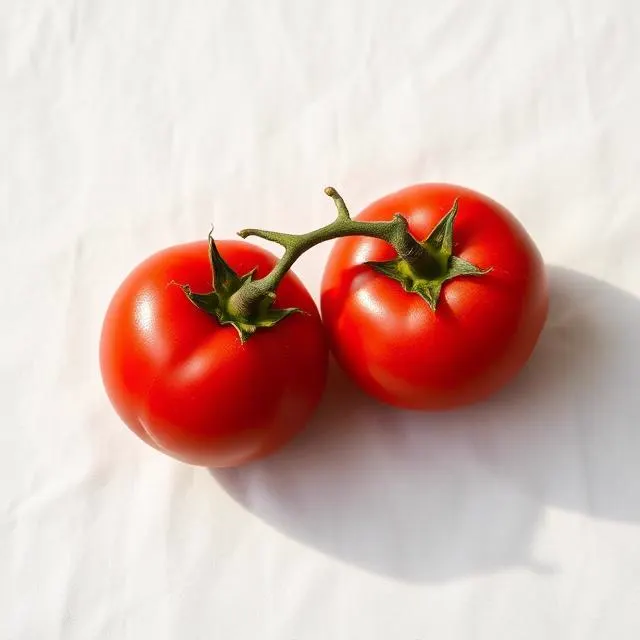
Tomato
The main dietary source of lycopene, which becomes more available when cooked with oil.
- kcal
- 18
- protein
- 0.9 g
- fibre
- 1.2 g
per 100 g · Typical serving: 1 medium tomato (123 g)
Get smarter about food and fitness.
Practical nutrition and wellness information, delivered without the hype.