Artichoke
Among the highest-fibre vegetables, and a major source of prebiotic inulin.

Nutrition per 100 g
Standardised to 100 g of artichoke, cooked for fair comparison. Typical serving: 1 medium cooked artichoke (120 g) — 64 kcal per 120 g serving.
| Nutrient | Per 100 g | Per serving (120 g) | Per 100 kcal |
|---|---|---|---|
| Energy | 53 kcal | 64 kcal | 100 kcal |
| Protein | 2.9 g | 3.5 g | 5.5 g |
| Carbohydrate | 11.9 g | 14.3 g | 22.3 g |
| Fat | 0.3 g | 0.4 g | 0.6 g |
| Fibre | 5.8 g | 6.9 g | 10.8 g |
Figures are typical values and vary with variety, preparation and brand.
Micronutrients
Vitamins and minerals per 100 g of artichoke, with a typical serving and FDA Daily Value for adults.
| Nutrient | Per 100 g | Per serving (120 g) | % DV |
|---|---|---|---|
| Vitamins | |||
| Vitamin A | 1 µg | 1.2 µg | <1% |
| Vitamin C | 7.4 mg | 8.9 mg | 8% |
| Vitamin D | 0 µg | 0 µg | 0% |
| Vitamin E | 0.19 mg | 0.23 mg | 1% |
| Vitamin K | 14.8 µg | 17.8 µg | 12% |
| Thiamin | 0.05 mg | 0.06 mg | 4% |
| Riboflavin | 0.089 mg | 0.11 mg | 7% |
| Niacin | 1.1 mg | 1.3 mg | 7% |
| Vitamin B6 | 0.081 mg | 0.097 mg | 5% |
| Folate | 89 µg | 107 µg | 22% |
| Vitamin B12 | 0 µg | 0 µg | 0% |
| Pantothenic acid | 0.24 mg | 0.29 mg | 5% |
| Choline | 34.4 mg | 41.3 mg | 6% |
| Minerals | |||
| Calcium | 21 mg | 25.2 mg | 2% |
| Iron | 0.61 mg | 0.73 mg | 3% |
| Magnesium | 42 mg | 50.4 mg | 10% |
| Phosphorus | 73 mg | 87.6 mg | 6% |
| Potassium | 286 mg | 343 mg | 6% |
| Sodium | 60 mg | 72 mg | 3% |
| Zinc | 0.4 mg | 0.48 mg | 4% |
| Selenium | 0.2 µg | 0.24 µg | <1% |
| Copper | 0.13 mg | 0.16 mg | 14% |
| Manganese | 0.23 mg | 0.28 mg | 10% |
Source: USDA FoodData Central — Artichokes, (globe or french), cooked, boiled, drained, without salt
% DV uses FDA Daily Values for adults. Nutrients that USDA does not report for this entry are omitted. Values vary with variety, preparation and brand.
Why eat artichoke?
- Nearly 7 g of fibre per artichoke, much of it prebiotic.
- Jarred hearts make it a store-cupboard ingredient.
- High satiety for the calorie cost.
How to include it
- Steam whole and eat the leaves with lemon and olive oil.
- Chop jarred hearts into pasta with lemon and parsley.
- Roast hearts with garlic until the edges crisp.
Things to consider
- Inulin causes gas in sensitive people — increase intake gradually.
- Jarred versions in oil add significant calories.
Educational content. This article is for general information and is not medical advice. Speak to a qualified health professional about your individual circumstances.
Related foods
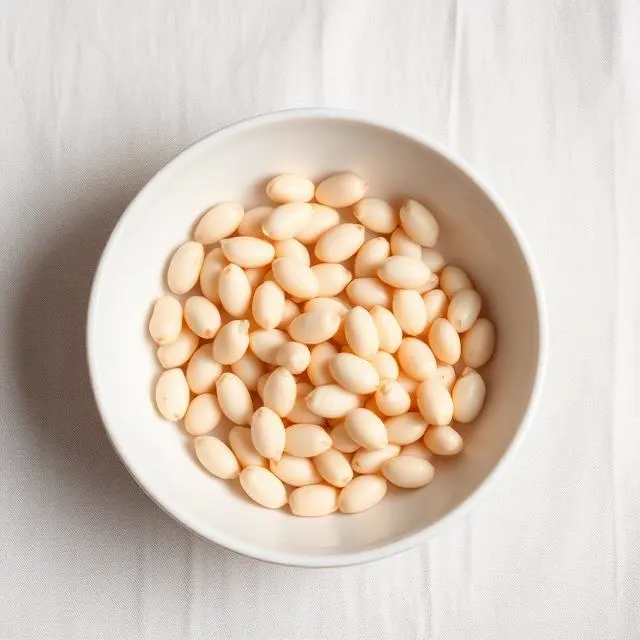
White Beans, cooked
Cannellini and haricot beans — 17 g protein per cup, plus a lot of iron and folate.
- kcal
- 139
- protein
- 9.7 g
- fibre
- 6.3 g
per 100 g · Typical serving: 1 cup cooked (179 g)

Extra Virgin Olive Oil
The fat at the centre of the Mediterranean diet, rich in monounsaturates and polyphenols.
- kcal
- 881
- protein
- 0 g
- fibre
- 0 g
per 100 g · Typical serving: 1 tbsp (13.5 g)

Asparagus, cooked
A folate and vitamin K standout, and a natural source of prebiotic inulin.
- kcal
- 22
- protein
- 2.4 g
- fibre
- 2 g
per 100 g · Typical serving: 1 cup cooked (180 g)
Get smarter about food and fitness.
Practical nutrition and wellness information, delivered without the hype.